
Read Article
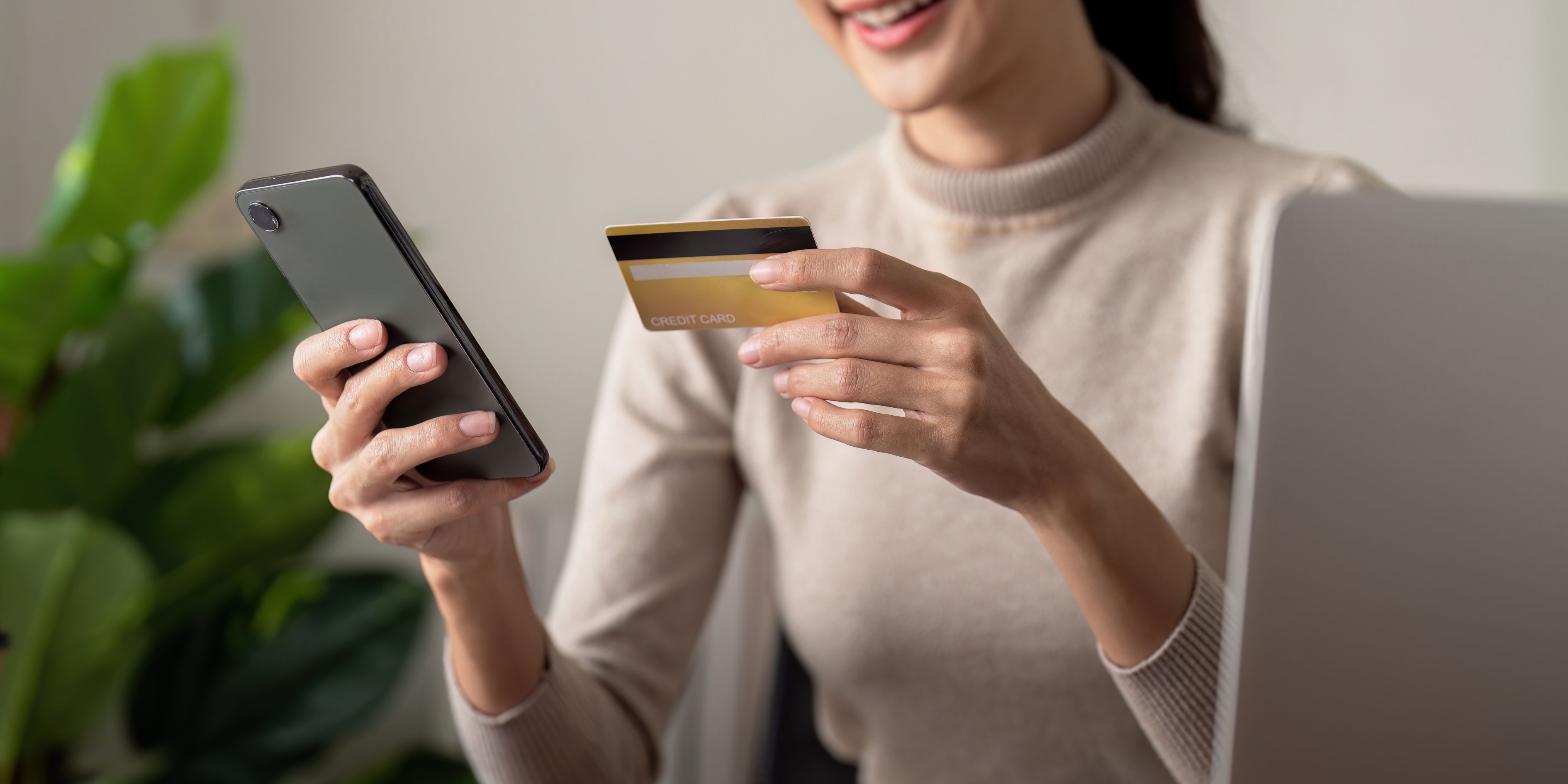
Digital wallets make everyday money management easier. From paying bills to sending money and shopping online, digital wallets offer speed and convenience that fit today’s busy lifestyles.
Traditional banks remain important for long-term financial security. While digital wallets are great for daily transactions, banks provide access to savings, loans, investments, and other tools that help support bigger financial goals.
You don’t have to choose one over the other. Using both a digital wallet and a bank account can help you balance convenience today with financial growth and protection for the future.
A few years ago, paying bills meant setting aside time to visit a payment center or bank branch. Today, many of us can settle our electricity bill while waiting for a meeting to start or send money to a family member while standing in line for coffee.
Technology made money management easier, especially for Filipina women balancing multiple responsibilities. At some point, you’ve probably used a digital wallet, whether you were saving money, running a small business, helping your family, or working toward your own personal goals.
But does that mean traditional banks are becoming less important?
Not necessarily.
Digital wallets and banks serve different purposes, and understanding how each one works can help you make smarter financial decisions. Instead of asking which is better, it may be more useful to ask, "Which one supports your goals right now?"
It’s easy to see why digital wallets have become part of everyday life. Apps like GCash and Maya make it possible to pay bills, transfer money, shop online, and even buy mobile load without leaving home.
According to the Bangko Sentral ng Pilipinas, digital payments continue to grow nationwide as more Filipinos embrace cashless transactions.
For many women, convenience is the biggest advantage.
If you’re an entrepreneur selling products online, a digital wallet can make collecting payments much faster. If you’re a busy professional, it saves you from spending time traveling to a bank branch for simple transactions.
Most transactions can be completed in minutes. Whether you’re paying for groceries, sending money to your parents, or splitting a restaurant bill with friends, everything happens through your phone.
Digital financial services are playing a growing role in expanding financial inclusion worldwide. That’s because opening a digital wallet is often quicker than opening a bank account. This has helped bring financial services to people who may not have had easy access before.
Many users appreciate features such as transaction histories, budgeting tools, and rewards programs that help them track where their money goes.
Despite the convenience, digital wallets aren’t perfect.
Scams, phishing attempts, and fake links continue to target users. While providers invest heavily in security, users still need to stay alert and protect their accounts.
Most digital wallets are great for spending and transferring money. However, when it comes to larger financial goals such as securing a home loan, growing investments, or building long-term wealth, traditional banks still offer more options.
Even in a digital-first world, banks continue to play an important role in financial security.
Think about your biggest financial goals. Maybe you’re building an emergency fund, saving for your child’s education, or planning to grow your business in the next few years. These goals often require more than a payment app.
Traditional banks provide access to savings accounts, loans, investment products, and financial guidance that can support long-term growth.
The Philippine Deposit Insurance Corporation (PDIC) protects bank deposits in the Philippines, providing an additional layer of security for your money.
Banks offer services that digital wallets don’t usually provide, such as business loans, home buying, and investment opportunities.
A strong banking relationship and transaction history can become valuable when applying for credit or financing in the future.
Traditional banking can sometimes feel less flexible.
Opening a bank account often involves submitting identification documents, completing forms, and meeting eligibility requirements. For those opening their first account, the process can feel more time-consuming than signing up for a digital wallet.
While many banks now offer digital services, certain transactions still require approval periods or in-person visits. Depending on the service, processing may take longer than the near-instant transfers offered by digital wallets.
Some bank accounts come with minimum balance requirements or service fees. If you’re just starting your financial journey or prefer flexibility in managing your cash flow, these requirements can feel restrictive.
For Filipina women who prioritize speed and convenience, the simplicity of using a digital wallet may be more appealing than the factors themselves. However, many still find that the long-term benefits of banking outweigh these challenges.
In reality, it isn’t really a choice between digital wallets and traditional banks. It’s about knowing when to use each one.
A digital wallet helps you manage day-to-day expenses efficiently, while a bank account provides protection and financial growth over time.
Think of your digital wallet as a tool for convenience and your bank account as a foundation for long-term financial security. When both work together, you’re better equipped to handle today’s needs while preparing for tomorrow’s opportunities.
There’s no single path to financial empowerment. What matters most is understanding your options and choosing tools that support your goals, values, and lifestyle.
Choosing to open a savings account, use a digital wallet more wisely, or learn to handle money better is a step toward becoming more independent and more self-assured.
At InLife Sheroes, we’re committed to helping Filipino women take those steps with confidence. Join our growing community of women who are learning, sharing experiences, and supporting one another through every stage of their financial journey. Sign up today and discover resources, insights, and connections designed to help you thrive.

